The ceiling never made it into the video
You are in London, the wedding is in Abuja, and the closest thing to a site visit so far is a shaky two-minute video. What planning a Nigerian wedding from abroad really takes, and the one decision that makes the distance disappear.
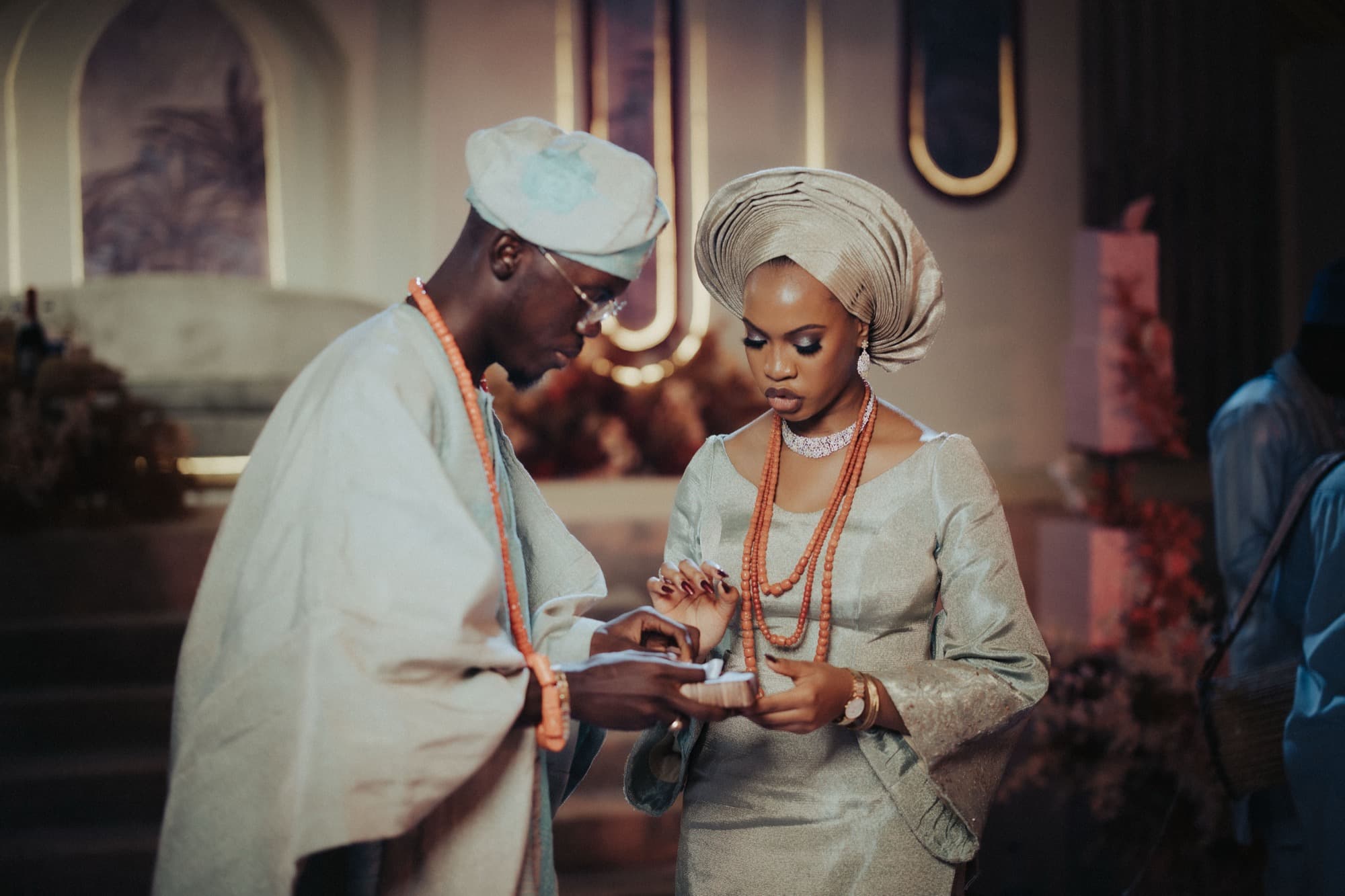
London is asleep, and Amara is viewing her wedding venue through her cousin's phone.
The video is shaky. It sweeps past the chairs, lingers lovingly on the high table and never once shows the ceiling. 'It's very fine,' her cousin keeps saying. 'Very fine.' Amara has learnt that 'very fine' can mean anything from breathtaking to structurally hopeful.
She will watch it again before she sleeps, and twice more over breakfast. It still will not answer the only questions that matter.
Two halls, one phone screen
A phone screen flattens everything that actually decides a wedding. On a two-minute video, two halls in Abuja can pass for twins: the same white chairs, the same warm light, the same slow sweep past the stage.
In person, they are two different weddings. One has parking for four hundred guests, a service lift that works, and a changing room the bridal party can actually turn around in. The other photographs just as beautifully and will fight you all day.
From London, there is no way to tell which is which. Not from the video, not from the brochure, not from a cousin whose entire brief was 'go and look at it'.
The couples who sleep through the night did not get lucky. They changed exactly one thing.
One pair of eyes beats ten cousins
The instinct from abroad is to plan by committee: a cousin here, an uncle there, a friend of a friend who knows somebody at the hall. There is no ill will in any of it. None of it is accountable either, and the reports that come back are gently edited for your feelings.
What works is one trusted person on the ground who becomes your eyes, your hands and your judgement. Someone who walks the venue and films the ceiling, the toilets and the access road, not just the high table. Someone who sits in on the tasting and tells you the truth about the jollof. Someone the vendors know by name and plan with. Details hold their shape when the person who agreed them will be back on Thursday.
The receipts are the love language
Nigerian weddings run on transfers, deposits and cash, and from abroad this is where the sleepless nights live. Did the payment land? Was that the second deposit or the third? Which screenshot belongs to which vendor?
It is unglamorous work, and it is precisely what we do: manage the schedule of deposits, handle the payments that must be made in person and keep every receipt in one shared record, so that, months later, everyone on every continent is looking at the same history. We run the day-to-day across time zones and pull you in only for the decisions that are genuinely yours to make. We treat your transfers as if the money were ours to answer for.
What is actually worth the airfare
You will not need many trips home. You need the right ones.
Spend them on what is truly better done in person: the venue walk-through, your outfit fittings (weeks before the day), one proper tasting and the small handful of vendor meetings that benefit from a face. Everything else can be settled from your sofa, and there is far more of it than anyone expects. A wedding is a long procession of decisions, and distance does not reduce the number. It only changes who stands in the room for each one.
One wedding, counted in threes
Then comes the discovery that doubles the diary. A Nigerian wedding is often not one event but two or three: the traditional rite, a white wedding or a nikah, sometimes a court signing besides. They can fall days apart, sometimes in different cities, each with its own venue, vendors, outfits and elders to honour properly.
Keeping all of that in order is hard enough when you live down the road. Doing it from another continent is exactly what full planning is for. And there is the softer diplomacy: the family sensitivities, the elders with firm expectations about the aso ebi and the order of the rites. Someone at home, with tact, absorbs those conversations so they reach you as questions, not crises.
The distance never has to show
Amara's story can end well. In our version of it, the ceiling gets filmed, the questions get answered and she walks into a hall she has seen exactly twice in person, knowing it completely.
Couples marry beautifully at home from abroad all the time; you can see what that looks like when the day is held properly. When it is done well, nobody at the wedding can tell where the planning happened. When you are ready, begin from wherever you are. The first conversation works in any time zone.
Last updated 4 July 2026